FDM Printing Guide for Small Businesses
An overview of fused deposition modelling — how it works, which printer configurations suit production environments, and what operational costs look like at small scale.
Read article →A factual reference for small business owners, workshop operators, and product developers navigating 3D printing technology in Poland — from machine selection to material sourcing.
Read the FDM Guide
Structured reference material on additive manufacturing — from technical overviews to practical sourcing information for the Polish market.
An overview of fused deposition modelling — how it works, which printer configurations suit production environments, and what operational costs look like at small scale.
Read article →
A comparison of SLA, DLP, and MSLA resin technologies — with detailed notes on resin types, post-processing steps, and suitability for precision manufacturing tasks.
Read article →
Where Polish small businesses obtain 3D printers, filaments, and resins — including distributor overviews, import channels, and factors affecting purchasing decisions.
Read article →The main areas this archive addresses, based on current information relevant to the Polish manufacturing context.
Fused deposition modelling remains the most widely adopted additive process for small businesses. This archive covers machine types, nozzle configurations, print speed considerations, and material compatibility across PLA, PETG, ASA, and engineering-grade filaments.
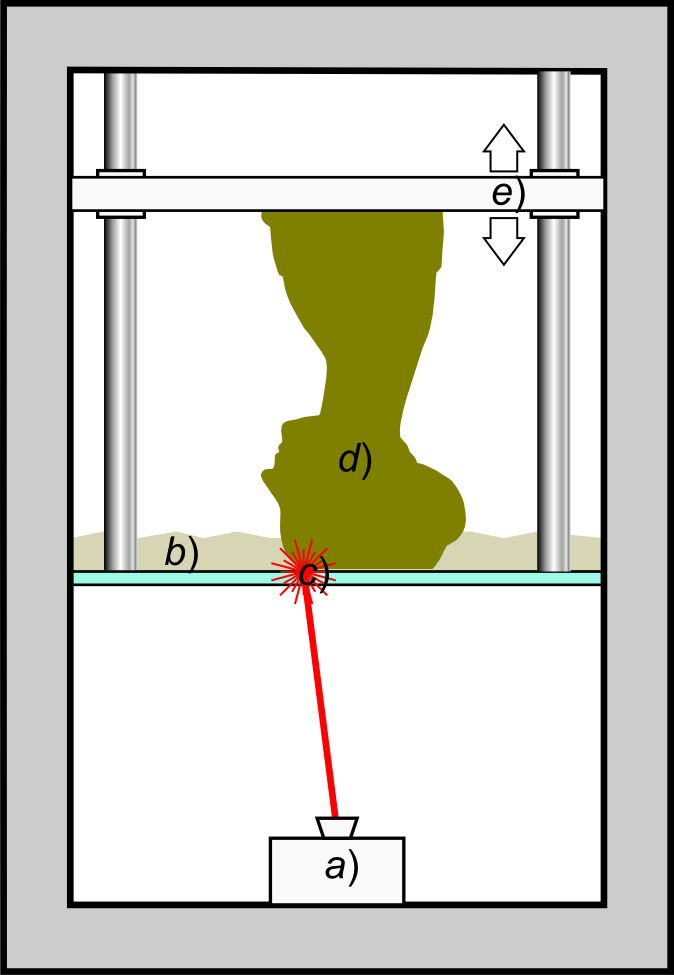
SLA and MSLA printers produce parts with fine detail resolution down to 25 microns. Documented here are resin chemistry types, UV wavelength requirements, post-cure stations, and occupational safety requirements in workshop environments.
Selecting the right filament or resin for a given application involves mechanical property trade-offs, environmental exposure requirements, and post-processing complexity. Comparative tables and use-case examples are provided throughout the archive.
Polish companies in consumer goods, architecture, healthcare, and industrial sectors have integrated 3D printing into prototype and short-run production workflows. This archive documents process integration patterns and capacity considerations.
Printer acquisition costs, consumable budgeting, and maintenance estimates vary significantly depending on supplier channel. Import duties, VAT treatment, and warranty conditions in the Polish market are addressed with reference to verified distributor data.
Sanding, priming, vapour smoothing, electroplating, and UV curing each affect final part quality in distinct ways. This archive maps post-processing steps to technology type and end-use application, providing structured comparison data.
For editorial corrections, sourcing inquiries, or information requests regarding the content published on this archive, use the form or the contact details listed below.